refractory brick for sale are protected by the masonry and only one side is exposed to the chemical attack. Load is higher than on the overhung zones, but temperature is lower. Periclase based refractories, mullite and sillimanite bricks are suitable for this application.
Characteristics of this area are: high load, low temperature and a reduced chemical attack. Basic materials with 90-92 percent MgO, mullite, sillimanite and 44 per cent Al2O3 “super duty” are suitable for this application.
The internal separation walls are insulating castable fully immersed in the high temperature environment and therefore the operating conditions are severe. They must resist loading at high temperature, and thus they must have high values of refractoriness under load and therefore high creep resistance.
Basic materials are suitable within the temperature limits indicated in the top zone (1,460-1,480°C), while different grades of mullite according to the different zones of the separation wall can be used.
In the glass furnace, walls of the regenerators are used to limit thermal losses. The main operating factors to be considered are temperature, repeated temperature cycling, airborne particulates, volatiles and load. Fuel and glass composition must also be considered when deriving the refractory specifications.
The walls in four zones as with checkers are subjected to different conditions:
1) Top zone: from the crown skewbacks to one meter under first row of checkers;
2) Mid zone: from the end of the top zone to 1,000°C;
3) Condensation zone: from 1,000°C to 700°C;
4) Lower zone: from 700°C to the Bottom.
The operating conditions are the same as for the crown but with minor load. Low iron basic refractories with a high periclase content and high grade mullite (95-97 percent mullite) are suitable for this area. As far as basic refractories are concerned the operating temperature must be under 1,500°C (1,460-1,480°C) to avoid creep.
Provided the target wall is exposed to the same conditions as the other top zone walls, then the refractory material will be as for the rest of the top zone. However, in the event the target wall is subject to excessive waste gas impingement then fused cast AZS block is recommended.
Checkers protect the mid zone wall. Temperature and load are lower compared to the top area, thus basic ladle refractory refractories with 95 per cent MgO or a good mullite are suitable for this area.
refractory company Henan Xinmi Changxing Refractory Material Co., Ltd. Located in Henan Province,China.ChangXing's product portfolio covers shaped products such as refractory materials,refractory brick, refractory castable,refractory nozzle, ceramic fiber, slide gate, etc; unshaped products including repair, construction and casting mixes and mortars.exported to more than 20 countries, such as Thailand, Indonesia, Pakistan, Saudi Arabia, South Africa, Turkey, Iran, Iraq and so on.
http://www.yilongrefractory.com/AllProductServlet?id=1&number=20


2016年6月5日星期日
Chemical composition of fire clay bricks
 |
| The use of the bricks can reduce the heat capacity of kiln walls and promote the heat efficiency of kilns. The product is applicable for constructing industrial kilns and inner lining of kilns. |
The main raw material is firebrick refractory clay. Clay is an earthy mineral. It can form plastic mud pie when mixed with water and maintain the shape after drying. It has rock-like hardness after fired at high temperature.
Additionally, the clay contains a certain amount of impurities such as quartz, mica, pyrite, feldspar and organic substances. The impurities, especially iron, can reduce the quality of clay refractory brick for sale and are harmful to the fire clay bricks.
Alkalis such as Na2O and K2O exist as mica. It can improve the sintering properties of clay and form dense products after sintered. It should be fewer than 2%.
The content of CaO is generally ladle refractory under 11.5% and distributed evenly. So, it will not affect the refractory properties of raw materials.
There is a certain amount of TiO2 in the bond clay. It exists as diamond. When it is less than 1%, it has no big effect on the quality of bond clay. In the chemical analysis, its content is not tested alone but counted in the content of A1203 + TiO2.
When the impurities in the clay exceed 6%, the refractories of clay will decease and cannot be used as the raw materials. The content of organic substances in the clay is fluctuated greatly, up to 5%.
refractory company Henan Xinmi Changxing Refractory Material Co., Ltd. Located in Henan Province,China.ChangXing's product portfolio covers shaped products such as refractory materials,refractory brick, refractory castable,refractory nozzle, ceramic fiber, slide gate, etc; unshaped products including repair, construction and casting mixes and mortars.exported to more than 20 countries, such as Thailand, Indonesia, Pakistan, Saudi Arabia, South Africa, Turkey, Iran, Iraq and so on.
Nest article:
Application of monolithic refractories on industrial furnaces
2016年5月26日星期四
Reasons of why tundish dry vibration mix takes the place of tundish insulation board
Following the clay and high alumina brick, tundish insulation board, tundish coating, Dry vibration mix is the fourth working lining materials for tundish. Following compare shows why dry vibration mix could replace the insulation board successfully.
Insulation board, which is mainly used in cold tundish (one without baking before being used), it devotes much for us in energy saving and heat insulation. But, due to its fatal disadvantage, it is being eliminated quickly.
1. Bonded with many agent, insulation board add silica and hydrogen under high temperature in steel liquid, reduce its purity, produce harmful gas to hurt workers health. VS: Dry vibration mix is bonded without carbon, produce no sharp aroma, and greatly reduce avoid the pollution for steel liquid and environment.
2. Short using life (for common steel, only 8 Hrs, For Mn-alloy steel, only 4hrs). VS: dry vibration mix usual using life: min 24 hrs, when worked with the fast exchange nozzle, it could reach average using life 45hrs.
3. Easy to be broken during transportation, once one piece is broken, the whole set will can not be work. VS: dry vibration is premixed and packaged in waterproof jumbo, applicable for ship, truck, train, air, etc long way transportation. 4. Low corrosion resistance, easy to make tundish become leakage. VS: dry vibration mix is made by ramming, dense and stable, after sintering, form a protect layer with tundish backing layer, could improve tundish using life and reduce spare tundish number.
Therefore, should you want to improve your tundish life, please do not hesitate to try Changxing Refractory dry vibration mix, 24 hrs using life is waiting for you.
Article source:
Reasons of why tundish dry vibration mix takes the place of tundish insulation board
Next article:
The Chinese New Year has passed and Changxing Refractory is back
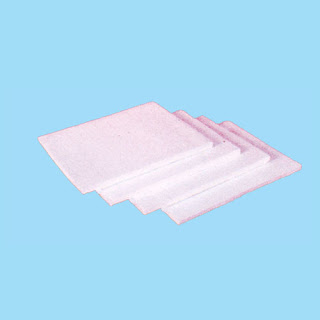
Insulation board, which is mainly used in cold tundish (one without baking before being used), it devotes much for us in energy saving and heat insulation. But, due to its fatal disadvantage, it is being eliminated quickly.
1. Bonded with many agent, insulation board add silica and hydrogen under high temperature in steel liquid, reduce its purity, produce harmful gas to hurt workers health. VS: Dry vibration mix is bonded without carbon, produce no sharp aroma, and greatly reduce avoid the pollution for steel liquid and environment.
2. Short using life (for common steel, only 8 Hrs, For Mn-alloy steel, only 4hrs). VS: dry vibration mix usual using life: min 24 hrs, when worked with the fast exchange nozzle, it could reach average using life 45hrs.
3. Easy to be broken during transportation, once one piece is broken, the whole set will can not be work. VS: dry vibration is premixed and packaged in waterproof jumbo, applicable for ship, truck, train, air, etc long way transportation. 4. Low corrosion resistance, easy to make tundish become leakage. VS: dry vibration mix is made by ramming, dense and stable, after sintering, form a protect layer with tundish backing layer, could improve tundish using life and reduce spare tundish number.
Therefore, should you want to improve your tundish life, please do not hesitate to try Changxing Refractory dry vibration mix, 24 hrs using life is waiting for you.
Article source:
Reasons of why tundish dry vibration mix takes the place of tundish insulation board
Next article:
The Chinese New Year has passed and Changxing Refractory is back
2016年5月24日星期二
The Economy of Fused Cast Bricks in Glass Furnaces
refractory material AZS block in the crown has been confirmed in the furnace with a small span. It shows excellent resistance. The new fused cast AZS crown structure as well as the insulation method developed by R.E.R from France has been used in the glass furnaces with a span of 11m and large furnaces. It is characterized by the use of light and firm magnetic structure and complete insulation with a 500mm insulation layer.
The limit temperature of silica brick crown is 1600℃, while the fused cast AZS block can be used safely in the 1680℃. AZS also has excellent corrosion resistance to fly ash and vapor of volatile components. Therefore, the temperature of the furnace can alumina brick be increased to 100℃. Ina addition, there is a low risk of burning of materials. The crown is low, which increases the heat radiation and improve the melting rate and reduce the energy consumption.
Fused cast AZS block has been used in the checker work of the regenerator and the crown in the glass furnace.
Fused cast AZS block has excellent insulating castable resistance to the erosion by fly ash to the checker brick in the regenerator, which is confirmed by its application in the burner. Fused cast AZS is durable than other bricks even it is only used in the upper layer of the checker work.
Since 1965, the fused cast AZS refractory fiber board crown has been used. The crown was initially built with common silica brick, mainly used in the glass fiber and borosilicate glass melting furnace. The fused cast AZS crown as well as the insulation method began to be actually used and its application was even expanded to large soda lime glass melting furnaces. In 1974, the structure was used in large cross-fired furnaces with a span of 11m. Besides, it is also used in the container glass furnace in refractory brick France and can reduce 130 liters heavy oil per ton.
Henan Xinmi Changxing Refractory Material Co., Ltd. Located in Henan Province,China.ChangXing's product portfolio covers shaped products such as refractory materials,refractory brick, refractory castable,refractory nozzle, ceramic fiber, slide gate, etc; unshaped products including repair, construction and casting mixes and mortars.exported to more than 20 countries, such as Thailand, Indonesia, Pakistan, Saudi Arabia, South Africa, Turkey, Iran, Iraq and so on.
Related Article:
Advantages of Building Ladle with Magnesia Carbon Brick

The limit temperature of silica brick crown is 1600℃, while the fused cast AZS block can be used safely in the 1680℃. AZS also has excellent corrosion resistance to fly ash and vapor of volatile components. Therefore, the temperature of the furnace can alumina brick be increased to 100℃. Ina addition, there is a low risk of burning of materials. The crown is low, which increases the heat radiation and improve the melting rate and reduce the energy consumption.
Fused cast AZS block has been used in the checker work of the regenerator and the crown in the glass furnace.
Fused cast AZS block has excellent insulating castable resistance to the erosion by fly ash to the checker brick in the regenerator, which is confirmed by its application in the burner. Fused cast AZS is durable than other bricks even it is only used in the upper layer of the checker work.
Since 1965, the fused cast AZS refractory fiber board crown has been used. The crown was initially built with common silica brick, mainly used in the glass fiber and borosilicate glass melting furnace. The fused cast AZS crown as well as the insulation method began to be actually used and its application was even expanded to large soda lime glass melting furnaces. In 1974, the structure was used in large cross-fired furnaces with a span of 11m. Besides, it is also used in the container glass furnace in refractory brick France and can reduce 130 liters heavy oil per ton.
Henan Xinmi Changxing Refractory Material Co., Ltd. Located in Henan Province,China.ChangXing's product portfolio covers shaped products such as refractory materials,refractory brick, refractory castable,refractory nozzle, ceramic fiber, slide gate, etc; unshaped products including repair, construction and casting mixes and mortars.exported to more than 20 countries, such as Thailand, Indonesia, Pakistan, Saudi Arabia, South Africa, Turkey, Iran, Iraq and so on.
Related Article:
Advantages of Building Ladle with Magnesia Carbon Brick
2016年5月23日星期一
Fire clay bricks manufacturing process
 |
Generality High Alumina Brick &Clay Brick |
1)Obtain raw materials. tundish well block The clay for manufacturing bricks is obtained from the ancient soil deep under the earth’s surface. The soil in this layer is slightly deeper in color
than the topsoil and was formed about 80,000 to 120,000 years ago. At that time, the climate is warm and humid and plants are diverse and lush , which mades the soil in this
period soft and sticky and a Clay, High Alumina insulating bricks good raw material for fireclay bricks.
2)The clay is stacked in the open air for up to six months to make its inner structure loose. Then it is zirconium sizing nozzle crushed and screened to get the pure fine clay.
3)Add water to the clay and then repeat kneading to make it into thick mud. This step is very important for the finished products.
4)Puur the mud into the mold. tundish coating Compact it and then remove the remaining mud with a wire bow.
5)Release the green body from the mold and dry it in the shadow to avoid cracks and deformation caused by exposure to the sun.
6)After drying, fire bricks in the kiln. This process is the most important part of the brick-manufacturing process.
7)After ten days of firing, the green body is basically sintered. if stopping heating at this time, the outside air may come into the kiln and make the bricks oxidized into red
bricks. in order to prevent oxidazing, seal the kiln roof with clay.
Henan Xinmi Changxing Refractory Material Co., Ltd. Located in Henan Province,China.ChangXing's product portfolio covers shaped products such as refractory materials,refractory brick, refractory castable,refractory nozzle, ceramic fiber, slide gate, etc; unshaped products including repair, construction and casting mixes and mortars.exported to more
than 20 countries, such as Thailand, Indonesia, Pakistan, Saudi Arabia, South Africa, Turkey, Iran, Iraq and so on.
2016年5月17日星期二
The advantages of Changxing lightweight insulation brick
nozzle refractory Compared to the traditional "galvanized plate+ insulation cotton" duct, Changxing lightweight insulation brick has the following advantages.
Changxing lightweight insulation brick, using high pure mullite as raw material, is made by adding alumina dry vibration mix powder according to different type and then sintering in high temperature.
1. The energy-saving effects of lightweight insulation brick can be increased by 10% to 15%, having more advantages than the traditional products on energy-saving and insulation aspects
2. Compared to traditional covering agent products, the new lightweight insulation brick’s service life extends three times.
3. When contacting burning fire, lightweight insulation brick is non-smoking and non-toxic gases being released.
4. When lightweight insulation brick used in construction, no condensation water produced, sealing effect is much better.
5. At the same time lightweight insulation brick can reduce 5 to 10 decibels noise.
6. Lightweight firebrick refractory sale insulation brick can shorten project duration 3 to 5 times, reduce 20% project cost
7. Lightweight insulation brick’s output up to 120,000 pieces / day, assure prompt delivery.
8. Manufactured as per ASTM standard
Above all, compared with traditional products, Changxing lightweight insulation brick from insulation effect and environmental protection aspects is more advantageous and it has low cost and strong seal . Applied in smelting furnace, firing kiln, flue, refining apparatus, heating apparatus, reproducing apparatus, gas stoves and pipes, soaking furnace, annealing furnace, reaction chambers, and other similar industrial heat treat equipment.

Changxing lightweight insulation brick, using high pure mullite as raw material, is made by adding alumina dry vibration mix powder according to different type and then sintering in high temperature.
1. The energy-saving effects of lightweight insulation brick can be increased by 10% to 15%, having more advantages than the traditional products on energy-saving and insulation aspects
2. Compared to traditional covering agent products, the new lightweight insulation brick’s service life extends three times.
3. When contacting burning fire, lightweight insulation brick is non-smoking and non-toxic gases being released.
4. When lightweight insulation brick used in construction, no condensation water produced, sealing effect is much better.
5. At the same time lightweight insulation brick can reduce 5 to 10 decibels noise.
6. Lightweight firebrick refractory sale insulation brick can shorten project duration 3 to 5 times, reduce 20% project cost
7. Lightweight insulation brick’s output up to 120,000 pieces / day, assure prompt delivery.
8. Manufactured as per ASTM standard
Above all, compared with traditional products, Changxing lightweight insulation brick from insulation effect and environmental protection aspects is more advantageous and it has low cost and strong seal . Applied in smelting furnace, firing kiln, flue, refining apparatus, heating apparatus, reproducing apparatus, gas stoves and pipes, soaking furnace, annealing furnace, reaction chambers, and other similar industrial heat treat equipment.
2016年5月12日星期四
Do you know how the slay ball content influences quality of ceramic fiber paper
The slay ball density is 10 times more than ceramic fiber paper, if the content is too high, it will change the original arrangement structure of the fiber.Ceramic fiber paper’s refractory fiber board density range is 200±20kg/m3. Slay ball’s density range is 2800-3200kg/m3, is 10 times more than ceramic fiber paper. So the content of slay ball directly influences the quality of ceramic fiber paper.The high insulating castable content means lots of crystal grain in ceramic fiber paper, making the flatness and evenness worse. From the surface, some small raised can be seen. The internal fiber bulk’s structure of ceramic fiber paper with good evenness is tight and closed, so the thermal insulation is better. refractory material The internal fiber bulk’s structure of ceramic fiber paper with high slay content becomes worse , holes becomes larger, so making the alumina brick closure property worse, convection heat transfer increases, total heat transfer coefficient increases. All of the above lead to the worse of thermal insulation.The slay ball change the change the original arrangement structure of the fiber, widen the space of fibers, heavily lowering the strength of ceramic fiber paper, once the strength becomes lower, it will leading to the abradability and electrical insulation of ceramic fiber paper worse,refractories reducing the heat insulating ability and utilization rate of ceramic fiber paper.So, we can see it that the amount of slay-removal steps directly influences the slay ball content, then influences the quality of ceramic fiber paper.Changxing ceramic fiber paper is produced by 9 slay-removal steps, the slay ball content is lower than similar products, so the abradability and electrical insulation of ceramic fiber paper is better.
2016年5月2日星期一
Whycic fiber module is widely applied in furnace
Ceramic fiber module is lighter than light weight insulation brick and can reduce the load of the furnace. It has lower heat capacity which means less heat absorbed by the
furnace in the reciprocal Clay, High Alumina insulating bricks operation and faster heating. It has white color and regular size and can be fixed directly to the industrial furnace.
Ceramic fiber magnesia carbon brick module has excellent chemical stability, thermal stability and flexibility. It is in pre-compressed state. After masonry is completed and the banding is lifted,
the expansion of ladle gunning mix ceramic fiber module can make the lining seamless and compensate the shrinkage of the lining, which can improve the thermal insulation and the integrity of the
furnace. The lining requires no drying and maintenance and can be used directly.
 |
| The construction is convenient, high strength, low thermal conductivity, good thermal insulation effect. |
Ceramic fiber magnesia carbon brick module has excellent chemical stability, thermal stability and flexibility. It is in pre-compressed state. After masonry is completed and the banding is lifted,
the expansion of ladle gunning mix ceramic fiber module can make the lining seamless and compensate the shrinkage of the lining, which can improve the thermal insulation and the integrity of the
furnace. The lining requires no drying and maintenance and can be used directly.
订阅:
博文 (Atom)