In 1927, Corhart was founded. It is a refractory company producing fused cast refractories. Raw materials are melted in an electric arc furnace and then casted in a mold, just like metal casting. The lining of the electric arc furnace is made of the same materials. The temperature is up to the requirements of refractory products, generally 1800-2500℃.
The first fused cast refractory is fused cast mullite refractory. It has been widely used in the sidewall of glass furnaces. Later zircon is added to the raw materials. The melting temperature is reduced and the slag resistance of the products is improved.
In 1952, fused cast magnesia carbon bricks manufacturers, a new fused cast product, was developed by Corhart. It is mainly used in the steel industry.
When producing fused cast refractories, the melt is casted into a mold with a large cap. The wall of the mold is made of refractory materials. When casting is finished, the mold wall is removed. Then the mold is put into insulation materials to reduce thermal shock to obtain crystals with uniform sizes and minimum gaps.
Fused cast refractory is larger than the standard bricks, so it is difficult to cast. Currently, fused cast products for sale are always cut from big blocks.
Henan Xinmi Changxing Refractory Material Co., Ltd. Located in Henan Province,China.ChangXing's product portfolio covers shaped products such as refractory materials,refractory brick,high insulating brick , refractory castable,refractory nozzle, ceramic fiber, slide gate, etc; unshaped products including repair, construction and casting mixes and mortars.exported to more than 20 countries, such as Thailand, Indonesia, Pakistan, Saudi Arabia, South Africa, Turkey, Iran, Iraq and so on.
Our product list:
http://www.yilongrefractory.com/AllProductServlet?id=4&number=20
2016年7月20日星期三

2016年6月29日星期三
Key Factors For The Casting Process Of Fused Cast AZS
The casting speed determines the casting time. Every casting products has its best casting time. Improper insulating castable casting time will cause many defects. If the casting speed is too fast, the stream will be coarse and the flowing speed will be too fast, which will produce big impact force on the mold. The force may destroy or melt the refractory brick mold and cause protrusions. Additionally, gas will be brought into the mold and produce a thin shell filled with gas and bubbles in the casting. Besides gas, raw materials in the furnace mouth may be brought into the melt and cause defects. Conversely, if the casting speed is too slow, it will produce defects such as loose corners, knots, sand and pouring shortage.
Back pour refers to the process of repouring some melt into the shrinkage cavities after the casting is completed. Generally, refractory brick for sale small bricks are solidified quickly and do not require back pour. Medium bricks can be repoured. Large bricks require back pour and it takes a long time. Back pour is one of the effective ways to reduce the shrinkage cavities and improve the bulk density.
Casting is an important step of the manufacturing process that has great influence on the quality of the fused cast AZS block. Key factors that affect the casting process of fused cast refractories AZS include the casting temperature, casting speed, the casting time and back pour.
The casting temperature is the temperature of the melt when it is poured into the mold. The casting temperature of fused cast AZS can be as high as 1820-1840℃. The viscosity of the melt is up to the chemical composition and temperature of the melt. The chemical composition is up to the formulation. The casting temperature is crucial since the higher the temperature, the lower the viscosity, the better the flow-ability. However, if the temperature is too high, the temperature difference between the casting and the mold is small, which will increase the shrinkage stress and cause cracks.
refractory company Henan Xinmi Changxing Refractory Material Co., Ltd. Located in Henan Province,China.ChangXing's product portfolio covers shaped products such as refractory materials,refractory brick, refractory castable,refractory nozzle, ceramic fiber, slide gate, etc; unshaped products including repair, construction and casting mixes and mortars.exported to more than 20 countries, such as Thailand, Indonesia, Pakistan, Saudi Arabia, South Africa, Turkey, Iran, Iraq and so on.
Back pour refers to the process of repouring some melt into the shrinkage cavities after the casting is completed. Generally, refractory brick for sale small bricks are solidified quickly and do not require back pour. Medium bricks can be repoured. Large bricks require back pour and it takes a long time. Back pour is one of the effective ways to reduce the shrinkage cavities and improve the bulk density.
Casting is an important step of the manufacturing process that has great influence on the quality of the fused cast AZS block. Key factors that affect the casting process of fused cast refractories AZS include the casting temperature, casting speed, the casting time and back pour.
The casting temperature is the temperature of the melt when it is poured into the mold. The casting temperature of fused cast AZS can be as high as 1820-1840℃. The viscosity of the melt is up to the chemical composition and temperature of the melt. The chemical composition is up to the formulation. The casting temperature is crucial since the higher the temperature, the lower the viscosity, the better the flow-ability. However, if the temperature is too high, the temperature difference between the casting and the mold is small, which will increase the shrinkage stress and cause cracks.
refractory company Henan Xinmi Changxing Refractory Material Co., Ltd. Located in Henan Province,China.ChangXing's product portfolio covers shaped products such as refractory materials,refractory brick, refractory castable,refractory nozzle, ceramic fiber, slide gate, etc; unshaped products including repair, construction and casting mixes and mortars.exported to more than 20 countries, such as Thailand, Indonesia, Pakistan, Saudi Arabia, South Africa, Turkey, Iran, Iraq and so on.
2016年6月26日星期日
Refractory Application in the Walls of Glass Furnace Regenerators
refractory brick for sale are protected by the masonry and only one side is exposed to the chemical attack. Load is higher than on the overhung zones, but temperature is lower. Periclase based refractories, mullite and sillimanite bricks are suitable for this application.
Characteristics of this area are: high load, low temperature and a reduced chemical attack. Basic materials with 90-92 percent MgO, mullite, sillimanite and 44 per cent Al2O3 “super duty” are suitable for this application.
The internal separation walls are insulating castable fully immersed in the high temperature environment and therefore the operating conditions are severe. They must resist loading at high temperature, and thus they must have high values of refractoriness under load and therefore high creep resistance.
Basic materials are suitable within the temperature limits indicated in the top zone (1,460-1,480°C), while different grades of mullite according to the different zones of the separation wall can be used.
In the glass furnace, walls of the regenerators are used to limit thermal losses. The main operating factors to be considered are temperature, repeated temperature cycling, airborne particulates, volatiles and load. Fuel and glass composition must also be considered when deriving the refractory specifications.
The walls in four zones as with checkers are subjected to different conditions:
1) Top zone: from the crown skewbacks to one meter under first row of checkers;
2) Mid zone: from the end of the top zone to 1,000°C;
3) Condensation zone: from 1,000°C to 700°C;
4) Lower zone: from 700°C to the Bottom.
The operating conditions are the same as for the crown but with minor load. Low iron basic refractories with a high periclase content and high grade mullite (95-97 percent mullite) are suitable for this area. As far as basic refractories are concerned the operating temperature must be under 1,500°C (1,460-1,480°C) to avoid creep.
Provided the target wall is exposed to the same conditions as the other top zone walls, then the refractory material will be as for the rest of the top zone. However, in the event the target wall is subject to excessive waste gas impingement then fused cast AZS block is recommended.
Checkers protect the mid zone wall. Temperature and load are lower compared to the top area, thus basic ladle refractory refractories with 95 per cent MgO or a good mullite are suitable for this area.
refractory company Henan Xinmi Changxing Refractory Material Co., Ltd. Located in Henan Province,China.ChangXing's product portfolio covers shaped products such as refractory materials,refractory brick, refractory castable,refractory nozzle, ceramic fiber, slide gate, etc; unshaped products including repair, construction and casting mixes and mortars.exported to more than 20 countries, such as Thailand, Indonesia, Pakistan, Saudi Arabia, South Africa, Turkey, Iran, Iraq and so on.
http://www.yilongrefractory.com/AllProductServlet?id=1&number=20

Characteristics of this area are: high load, low temperature and a reduced chemical attack. Basic materials with 90-92 percent MgO, mullite, sillimanite and 44 per cent Al2O3 “super duty” are suitable for this application.
The internal separation walls are insulating castable fully immersed in the high temperature environment and therefore the operating conditions are severe. They must resist loading at high temperature, and thus they must have high values of refractoriness under load and therefore high creep resistance.
Basic materials are suitable within the temperature limits indicated in the top zone (1,460-1,480°C), while different grades of mullite according to the different zones of the separation wall can be used.
In the glass furnace, walls of the regenerators are used to limit thermal losses. The main operating factors to be considered are temperature, repeated temperature cycling, airborne particulates, volatiles and load. Fuel and glass composition must also be considered when deriving the refractory specifications.
The walls in four zones as with checkers are subjected to different conditions:
1) Top zone: from the crown skewbacks to one meter under first row of checkers;
2) Mid zone: from the end of the top zone to 1,000°C;
3) Condensation zone: from 1,000°C to 700°C;
4) Lower zone: from 700°C to the Bottom.
The operating conditions are the same as for the crown but with minor load. Low iron basic refractories with a high periclase content and high grade mullite (95-97 percent mullite) are suitable for this area. As far as basic refractories are concerned the operating temperature must be under 1,500°C (1,460-1,480°C) to avoid creep.
Provided the target wall is exposed to the same conditions as the other top zone walls, then the refractory material will be as for the rest of the top zone. However, in the event the target wall is subject to excessive waste gas impingement then fused cast AZS block is recommended.
Checkers protect the mid zone wall. Temperature and load are lower compared to the top area, thus basic ladle refractory refractories with 95 per cent MgO or a good mullite are suitable for this area.
refractory company Henan Xinmi Changxing Refractory Material Co., Ltd. Located in Henan Province,China.ChangXing's product portfolio covers shaped products such as refractory materials,refractory brick, refractory castable,refractory nozzle, ceramic fiber, slide gate, etc; unshaped products including repair, construction and casting mixes and mortars.exported to more than 20 countries, such as Thailand, Indonesia, Pakistan, Saudi Arabia, South Africa, Turkey, Iran, Iraq and so on.
http://www.yilongrefractory.com/AllProductServlet?id=1&number=20
2016年6月23日星期四
The Economy of Fused Cast Bricks in Glass Furnaces
refractories safely in the 1680℃. AZS also has excellent corrosion resistance to fly ash and vapor firebrick refractory sale of volatile components. Therefore, the temperature of the furnace can be increased to 100℃. Ina addition, there is a low risk of burning of materials. The crown is low, which increases the heat radiation and improve the melting rate and reduce the energy consumption.
Since 1965, the fused cast AZS crown high insulating brick has been used. The crown was initially built with common silica brick, mainly used in the glass fiber and borosilicate glass melting furnace. The fused cast AZS crown as well as the insulation method began to be actually used and its application was even expanded to large soda lime glass melting furnaces. In 1974, the structure was used in large cross-fired furnaces with a span of 11m. Besides, it is also used in the container glass furnace in castable refractory material France and can reduce 130 liters heavy oil per ton.
Fused cast AZS block has been used in the checker work of the regenerator and the crown in the glass furnace.
Fused cast AZS block has excellent resistance to the erosion by fly ash to the checker brick in the regenerator, which is confirmed by its application in the burner. Fused cast AZS is durable refractory fiber board than other bricks even it is only used in the upper layer of the checker work.
The performance of fused cast AZS block in the crown has been confirmed in the furnace with a small span. It shows excellent resistance. The new fused cast AZS crown structure as well as the insulation method developed by R.E.R from France has been used in the glass furnaces with a span of 11m and large furnaces. It is characterized by the use of light and firm magnetic structure and complete insulation with a 500mm insulation layer.
Henan Xinmi Changxing Refractory Material Co., Ltd. Located in Henan Province,China.ChangXing's product portfolio covers shaped products such as refractory materials,refractory brick, refractory castable,refractory nozzle, ceramic fiber, slide gate, etc; unshaped products including repair, construction and casting mixes and mortars.exported to more than 20 countries, such as Thailand, Indonesia, Pakistan, Saudi Arabia, South Africa, Turkey, Iran, Iraq and so on.
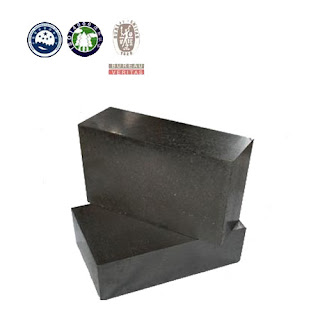
Since 1965, the fused cast AZS crown high insulating brick has been used. The crown was initially built with common silica brick, mainly used in the glass fiber and borosilicate glass melting furnace. The fused cast AZS crown as well as the insulation method began to be actually used and its application was even expanded to large soda lime glass melting furnaces. In 1974, the structure was used in large cross-fired furnaces with a span of 11m. Besides, it is also used in the container glass furnace in castable refractory material France and can reduce 130 liters heavy oil per ton.
Fused cast AZS block has been used in the checker work of the regenerator and the crown in the glass furnace.
Fused cast AZS block has excellent resistance to the erosion by fly ash to the checker brick in the regenerator, which is confirmed by its application in the burner. Fused cast AZS is durable refractory fiber board than other bricks even it is only used in the upper layer of the checker work.
The performance of fused cast AZS block in the crown has been confirmed in the furnace with a small span. It shows excellent resistance. The new fused cast AZS crown structure as well as the insulation method developed by R.E.R from France has been used in the glass furnaces with a span of 11m and large furnaces. It is characterized by the use of light and firm magnetic structure and complete insulation with a 500mm insulation layer.
Henan Xinmi Changxing Refractory Material Co., Ltd. Located in Henan Province,China.ChangXing's product portfolio covers shaped products such as refractory materials,refractory brick, refractory castable,refractory nozzle, ceramic fiber, slide gate, etc; unshaped products including repair, construction and casting mixes and mortars.exported to more than 20 countries, such as Thailand, Indonesia, Pakistan, Saudi Arabia, South Africa, Turkey, Iran, Iraq and so on.
Bonded Again Fused Cast Alumina Block

corundum powder as the matrix.
The batching of granular materials should be according to the principles of tightly packing, multilevel ratio, refractory company less intermediate particles and more fine powder. This can improve
the density and sintering of the products. The additives include aluminum phosphate, phosphoric acid, aluminum chromium phosphate, cellulose and pulp waste solution. Among them,
he most promising is active phosphate. Recently, ammonium phosphate is on the trial and achieves good magnesia carbon brick results. The mud should be mixed evenly with a moisture content of 3-4%.
After high pressure molding, high dense bricks are obtained.
There are a few harmful ingredients in the corundum which will cause poor sintering or cracking, firebrick refractory sale so corundum should be pre-calcined before use. The residual ferro-silicon alloy
is oxidized and decomposed into Fe2O3 and SiO2 at 500-1000℃ and Ti in the minerals can be oxidized into TiO2 (rutile), which can cause large volume expansion. After pre-
calcining, the stress caused by those decomposition reactions and oxidation reactions can be eliminated during the pre-calcining process and cracks caused by the volume
expansion of those impurities can be avoided during the sintering process.
Fused corundum block has large volume, so it should be smashed with drop hammers and other ways and then high insulating brick pulverized. The pulverized fused corundum is stored by size after
screened. Fused corundum is hard and difficult to grind. Therefore it is wet ground by ball mills or vibration ball mills. The grain size can be less than 40μm or even 10μm.
The iron in the granular material can be removed with electromagnets and the iron in the fine powder can be washed with acids.
When using fused brown corundum or white corundum as raw materials, the frits should be smashed and then processed by removing the ferro-silicon alloy and other impurities.
White corundum should be processed by removing the flaky sodium aluminate crystals and other low-melting substances. The impurities are easy to be identified since they have low
density and float in the surface of corundum frits.
The fused cast alumina block has high purity. It is difficult to sintere and should be sintered at 1800℃. The type of the kilns used depends on the production scale. For small
batch production, high-temperature batch kiln is better. For batch stable production, the small high-temperature tunnel kiln is used.
Henan Xinmi Changxing Refractory Material Co., Ltd. Located in Henan Province,China.ChangXing's product portfolio covers shaped products such as refractory materials,refractory
brick, refractory castable,refractory nozzle, ceramic fiber, slide gate, etc; unshaped products including repair, construction and casting mixes and mortars.exported to more
than 20 countries, such as Thailand, Indonesia, Pakistan, Saudi Arabia, South Africa, Turkey, Iran, Iraq and so on.
2016年6月2日星期四
The Composition and Properties of Magnesia Brick
 |
| Alumina Magnesia Carbon Bricks is made from high quality bauxite, corundum and fused magnesia. It is formulated with very high purity alumina and magnesia. |
Magnesia brick is composed of 80-90% periclase and 8%-20% other mineral phase including magnesium ferrite (MgO·Fe2O3), forsterite (2MgO · SiO2) and Calcium and magnesium refractory brick for sale olive stone (CaO·MgO·SiO2).Silicate glass contains about 3-5% magnesium, calcium and iron. These silicates may contain tricalcium silicate (3CaO · SiO2), magnesium rhodonite (3CaO · MgO · 2SiO2), calcium and magnesium olivine and forsterite, dicalcium silicate (2CaO · SiO2).
Magnesia brick has good thermal conductivity, good thermal expansion, good corrosion resistance to alkali molten slags and bad corrosion resistance to acid molten slags. Due to the low-melting silicate cements surrounded periclase, the beginning point of the softening temperature under load is not too high, but the collapse temperature is close to the beginning point. Its refractoriness is over 2000℃, but it does not make sense in the actual refractory castable use. Bad thermal shock stability is one of the main reasons for the destruction.
In the storage and transport, special attention should be paid to moisture-proof to avoid burst after affected with damp.
refractory company Henan Xinmi Changxing Refractory Material Co., Ltd. Located in Henan Province,China.ChangXing's product portfolio covers shaped products such as refractory materials,refractory brick, refractory castable,refractories nozzle, ceramic fiber, slide gate, etc; unshaped products including repair, construction and casting mixes and mortars.exported to more than 20 countries, such as Thailand, Indonesia, Pakistan, Saudi Arabia, South Africa, Turkey, Iran, Iraq and so on.
Nest article:
Formation of smelting furnace slag layer
2016年5月24日星期二
The Economy of Fused Cast Bricks in Glass Furnaces
refractory material AZS block in the crown has been confirmed in the furnace with a small span. It shows excellent resistance. The new fused cast AZS crown structure as well as the insulation method developed by R.E.R from France has been used in the glass furnaces with a span of 11m and large furnaces. It is characterized by the use of light and firm magnetic structure and complete insulation with a 500mm insulation layer.
The limit temperature of silica brick crown is 1600℃, while the fused cast AZS block can be used safely in the 1680℃. AZS also has excellent corrosion resistance to fly ash and vapor of volatile components. Therefore, the temperature of the furnace can alumina brick be increased to 100℃. Ina addition, there is a low risk of burning of materials. The crown is low, which increases the heat radiation and improve the melting rate and reduce the energy consumption.
Fused cast AZS block has been used in the checker work of the regenerator and the crown in the glass furnace.
Fused cast AZS block has excellent insulating castable resistance to the erosion by fly ash to the checker brick in the regenerator, which is confirmed by its application in the burner. Fused cast AZS is durable than other bricks even it is only used in the upper layer of the checker work.
Since 1965, the fused cast AZS refractory fiber board crown has been used. The crown was initially built with common silica brick, mainly used in the glass fiber and borosilicate glass melting furnace. The fused cast AZS crown as well as the insulation method began to be actually used and its application was even expanded to large soda lime glass melting furnaces. In 1974, the structure was used in large cross-fired furnaces with a span of 11m. Besides, it is also used in the container glass furnace in refractory brick France and can reduce 130 liters heavy oil per ton.
Henan Xinmi Changxing Refractory Material Co., Ltd. Located in Henan Province,China.ChangXing's product portfolio covers shaped products such as refractory materials,refractory brick, refractory castable,refractory nozzle, ceramic fiber, slide gate, etc; unshaped products including repair, construction and casting mixes and mortars.exported to more than 20 countries, such as Thailand, Indonesia, Pakistan, Saudi Arabia, South Africa, Turkey, Iran, Iraq and so on.
Related Article:
Advantages of Building Ladle with Magnesia Carbon Brick

The limit temperature of silica brick crown is 1600℃, while the fused cast AZS block can be used safely in the 1680℃. AZS also has excellent corrosion resistance to fly ash and vapor of volatile components. Therefore, the temperature of the furnace can alumina brick be increased to 100℃. Ina addition, there is a low risk of burning of materials. The crown is low, which increases the heat radiation and improve the melting rate and reduce the energy consumption.
Fused cast AZS block has been used in the checker work of the regenerator and the crown in the glass furnace.
Fused cast AZS block has excellent insulating castable resistance to the erosion by fly ash to the checker brick in the regenerator, which is confirmed by its application in the burner. Fused cast AZS is durable than other bricks even it is only used in the upper layer of the checker work.
Since 1965, the fused cast AZS refractory fiber board crown has been used. The crown was initially built with common silica brick, mainly used in the glass fiber and borosilicate glass melting furnace. The fused cast AZS crown as well as the insulation method began to be actually used and its application was even expanded to large soda lime glass melting furnaces. In 1974, the structure was used in large cross-fired furnaces with a span of 11m. Besides, it is also used in the container glass furnace in refractory brick France and can reduce 130 liters heavy oil per ton.
Henan Xinmi Changxing Refractory Material Co., Ltd. Located in Henan Province,China.ChangXing's product portfolio covers shaped products such as refractory materials,refractory brick, refractory castable,refractory nozzle, ceramic fiber, slide gate, etc; unshaped products including repair, construction and casting mixes and mortars.exported to more than 20 countries, such as Thailand, Indonesia, Pakistan, Saudi Arabia, South Africa, Turkey, Iran, Iraq and so on.
Related Article:
Advantages of Building Ladle with Magnesia Carbon Brick
2016年5月17日星期二
Improvement of structure and refractories in annealing furnace
ladle refractory be damaged, affecting the normal production. The main reasons are as following:
(1) structure is not reasonable. The lining adopts heavy high alumina refractories brick, and hanging off the roof of the structure, and the car door seal is not good, it will cause long time heating, refractory castable poor insulation, bad heat storage. When the workpiece is heated, much of the heat from the furnace inhaling energy increases, leading to severe heat loss.
(2) poor sealing. The old equipment’s oven door must be open in order to work properly if the furnace is heated to 600 ℃, causing the flame to break the door and severe heat loss.
(3) poor combustion conditions. Due to incomplete combustion, when the door closed, it will be easy to plug, so that the furnace increased fuel consumption.
2 rehabilitation programs
Since the annealing furnace structure can not be changed to a great extent, the choice of high-temperature Changxing alumino silicate refractory ceramic fiber feltfolded block and a new fuel spray combustion technology for system transformation are adopted.
2.1 removed the original panel and furnace burners on both sides of the shell plate, using A3, S = 30mm, S = 8mm steel, and L100 × L100 × angle iron welded reinforcement.
2.2 removed the original high alumina refractory brick for sale lining and use the new energy-saving Changxing alumino silicate refractory ceramic fiber folded block, which is fixed to the furnace wall plus welding folding fibers collapse block with stainless steel fasteners for installation, its performance has anti-oxidation, heat storage, good insulation, heat loss, easy maintenance, energy saving compared with the refractory lining in the 20-30%.
2.3 Removed the original top heavy high alumina bricks and demolition angle, instead of new energy-saving high-temperature ceramic fiber folding block.
2.5 reinforced door. Surround the door by L100 × L100 × 10 angle steel reinforcement, installed new energy-efficient furnace door Changxing alumino silicate refractory ceramic fiber collapse block.

(1) structure is not reasonable. The lining adopts heavy high alumina refractories brick, and hanging off the roof of the structure, and the car door seal is not good, it will cause long time heating, refractory castable poor insulation, bad heat storage. When the workpiece is heated, much of the heat from the furnace inhaling energy increases, leading to severe heat loss.
(2) poor sealing. The old equipment’s oven door must be open in order to work properly if the furnace is heated to 600 ℃, causing the flame to break the door and severe heat loss.
(3) poor combustion conditions. Due to incomplete combustion, when the door closed, it will be easy to plug, so that the furnace increased fuel consumption.
2 rehabilitation programs
Since the annealing furnace structure can not be changed to a great extent, the choice of high-temperature Changxing alumino silicate refractory ceramic fiber feltfolded block and a new fuel spray combustion technology for system transformation are adopted.
2.1 removed the original panel and furnace burners on both sides of the shell plate, using A3, S = 30mm, S = 8mm steel, and L100 × L100 × angle iron welded reinforcement.
2.2 removed the original high alumina refractory brick for sale lining and use the new energy-saving Changxing alumino silicate refractory ceramic fiber folded block, which is fixed to the furnace wall plus welding folding fibers collapse block with stainless steel fasteners for installation, its performance has anti-oxidation, heat storage, good insulation, heat loss, easy maintenance, energy saving compared with the refractory lining in the 20-30%.
2.3 Removed the original top heavy high alumina bricks and demolition angle, instead of new energy-saving high-temperature ceramic fiber folding block.
2.5 reinforced door. Surround the door by L100 × L100 × 10 angle steel reinforcement, installed new energy-efficient furnace door Changxing alumino silicate refractory ceramic fiber collapse block.
2016年5月11日星期三
Ceramic fiber module application(2)
Changxing ceramic fiber folded covering agent blanket module adopts Changxing ceramic fiber blanket, folded into accordion-like according to certain width, then embed the anchoring into module and folded and compressed. Changxing modular fiber do not contain any binder. Folded blanket will jam each other in different directions without gaps after the lifting of the strapping. Figure 2 schematic for folding compression module.
Installation method firebrick refractory sale of Changxing ceramic fiber module in furnace wall, as shown in figure 3. Before module installation, it is need to welding short anchors (head with thread) on furnace wall. And then covered with a layer ladle slide gate of normal Changxing insulation rock wool, thickness 15~20 mm. The module back bead at the center of the hole and short anchor pin alignment, make anchor nail head into the module on the hollow tube, will cooperate with anchor nail head screw nut in a socket wrench head sleeve, insert the socket module of hollow casing, rotate the wrench, tighten nut to anchor nail head. Nut, ceramic fiber felt screw anchor nail and back bead connected in this way, thus the module fixed on the furnace shell.
Reinforcement ladle castable plate on the back layering is very important, playing the role of reinforcement of bolted joints. Figure 4 shows the shape of after module installation. When the module is installed, folding directions must stagger, Horizontal and vertical module must be installed interval. The aim is to: when all installed, removed the bundle after, let module can free expansion, will fill the gap.
Changxing refractories ceramic fiber module installation process is simple and convenient, But in strict accordance with the requirements of each step, Suppose if welding short anchor nail is not secure, will cause the module overall fall off wall collapse and other major accidents, if the direction of module folding did not stagger when installation can lead to a module cannot be subject to uniform pressure and mobility.
Installation method firebrick refractory sale of Changxing ceramic fiber module in furnace wall, as shown in figure 3. Before module installation, it is need to welding short anchors (head with thread) on furnace wall. And then covered with a layer ladle slide gate of normal Changxing insulation rock wool, thickness 15~20 mm. The module back bead at the center of the hole and short anchor pin alignment, make anchor nail head into the module on the hollow tube, will cooperate with anchor nail head screw nut in a socket wrench head sleeve, insert the socket module of hollow casing, rotate the wrench, tighten nut to anchor nail head. Nut, ceramic fiber felt screw anchor nail and back bead connected in this way, thus the module fixed on the furnace shell.
Reinforcement ladle castable plate on the back layering is very important, playing the role of reinforcement of bolted joints. Figure 4 shows the shape of after module installation. When the module is installed, folding directions must stagger, Horizontal and vertical module must be installed interval. The aim is to: when all installed, removed the bundle after, let module can free expansion, will fill the gap.
Changxing refractories ceramic fiber module installation process is simple and convenient, But in strict accordance with the requirements of each step, Suppose if welding short anchor nail is not secure, will cause the module overall fall off wall collapse and other major accidents, if the direction of module folding did not stagger when installation can lead to a module cannot be subject to uniform pressure and mobility.
2016年5月5日星期四
Being one of the reputed organizations in the market
we are engaged in offering an exclusive range of Ceramic Fiber Braided Rope. Popular for their abrasion refractory material resistance feature, offered braided ropes are manufactured by our capable vendors using unequaled quality material and cutting edge tools. alumina brick Provided range is obtainable in various specifications refractory brick and modified options as per clients’ diversified necessities.
Features:
Perfectly finished
Maximum strength
Surpassed quality
http://www.yilongrefractory.com/news/Several%20types%20and%20application%20of%20ceramic%20fibers.html
Features:
Perfectly finished
Maximum strength
Surpassed quality
http://www.yilongrefractory.com/news/Several%20types%20and%20application%20of%20ceramic%20fibers.html
2016年4月27日星期三
Silicon nitride is a chemical compound of silicon and nitrogen
In addition to Si3N4, refractory material several other silicon nitride phases (with chemical formulas corresponding to varying degrees of nitridation/Si oxidation state) have been reported in the literature, for example, the gaseous disilicon mononitride (Si2N); silicon mononitride (SiN), and silicon sesquinitride (Si2N3), each of which are stoichiometric phases. As with other refractories, the products obtained in these high-temperature syntheses depends on the reaction conditions (e.g. time, temperature, and starting materials including the reactants and container materials), as well as the mode of purification. However, the refractory fiber board existence of the sesquinitride has since come into question.
Silicon Nitride Product : Silicon nitride is a chemical compound of silicon and nitrogen. If powdered silicon is heated between 1300 °C and 1400 °C in an atmosphere of nitrogen, trisilicon tetranitride, Si3N4 is formed. The silicon sample weight increases progressively due to the chemical combination of silicon and nitrogen. Without clay insulating bricks an iron catalyst, the reaction is complete after several hours (~7), when no further weight increase due to nitrogen absorption (per gram of silicon) is detected.
The Si3N4 phase is the most chemically inert (being decomposed by dilute HF and hot H2SO4). It is also the most thermodynamically stable of the silicon nitrides. Hence, Si3N4 is the most commercially important of the silicon nitrides and is generally castable refractory material understood as what is being referred to where the term "silicon nitride" is used. Silicon Nitride Product
Silicon Nitride Product : Silicon nitride (i.e. Si3N4) is a hard ceramic having high strength over a broad temperature range, moderate thermal conductivity, low coefficient of thermal expansion, moderately high elastic modulus, and unusually high fracture toughness for a ceramic. This combination of properties leads to excellent thermal shock resistance, ability to withstand high structural loads to high temperature, and superior wear resistance. Silicon nitride is mostly used in high-endurance and high-temperature applications, such as gas turbines, car engine parts, bearings and metal working and cutting tools. Silicon nitride bearings are used in the main engines of the NASA's Space shuttles. Thin silicon nitride films are a popular insulating layer in silicon-based electronics and silicon nitride cantilevers are the sensing parts of atomic force microscopes.
Silicon Nitride Product : Silicon nitride is a chemical compound of silicon and nitrogen. If powdered silicon is heated between 1300 °C and 1400 °C in an atmosphere of nitrogen, trisilicon tetranitride, Si3N4 is formed. The silicon sample weight increases progressively due to the chemical combination of silicon and nitrogen. Without clay insulating bricks an iron catalyst, the reaction is complete after several hours (~7), when no further weight increase due to nitrogen absorption (per gram of silicon) is detected.
The Si3N4 phase is the most chemically inert (being decomposed by dilute HF and hot H2SO4). It is also the most thermodynamically stable of the silicon nitrides. Hence, Si3N4 is the most commercially important of the silicon nitrides and is generally castable refractory material understood as what is being referred to where the term "silicon nitride" is used. Silicon Nitride Product
Silicon Nitride Product : Silicon nitride (i.e. Si3N4) is a hard ceramic having high strength over a broad temperature range, moderate thermal conductivity, low coefficient of thermal expansion, moderately high elastic modulus, and unusually high fracture toughness for a ceramic. This combination of properties leads to excellent thermal shock resistance, ability to withstand high structural loads to high temperature, and superior wear resistance. Silicon nitride is mostly used in high-endurance and high-temperature applications, such as gas turbines, car engine parts, bearings and metal working and cutting tools. Silicon nitride bearings are used in the main engines of the NASA's Space shuttles. Thin silicon nitride films are a popular insulating layer in silicon-based electronics and silicon nitride cantilevers are the sensing parts of atomic force microscopes.
The manufacture of refractories involve the following steps
1. Grinding
Raw materials crushed and refractory castable ground to fine powder using crushers, pulveriser, ball mills.
2. Mixing
In order to alter the chemical properties of the refractories, two or more powdered raw materials are thoroughly mixed with a suitable binding material, which makes moulding easier.
3. Moulding
Moulding can ladle refractory be done either manually or mechanically by application of high pressure.
Hand-moulding produces refractories of low strength and low density. Mechanical-moulding produces refractory brick for sale of high strength and high density
4. Drying
Drying is carried out slowly to the moisture from refractories.
5. Firing
It is done at a temperature as high as or higher than their use temperature . Firing is generally carried out in kilns.
The refractory company refractories are fired,
(i) to stabilize and strengthen their structures.
(ii) to remove water of dration.
(iii) to facilitate development of stable mineral to form the finished products.
Raw materials crushed and refractory castable ground to fine powder using crushers, pulveriser, ball mills.
2. Mixing
In order to alter the chemical properties of the refractories, two or more powdered raw materials are thoroughly mixed with a suitable binding material, which makes moulding easier.
3. Moulding
Moulding can ladle refractory be done either manually or mechanically by application of high pressure.
Hand-moulding produces refractories of low strength and low density. Mechanical-moulding produces refractory brick for sale of high strength and high density
4. Drying
Drying is carried out slowly to the moisture from refractories.
5. Firing
It is done at a temperature as high as or higher than their use temperature . Firing is generally carried out in kilns.
The refractory company refractories are fired,
(i) to stabilize and strengthen their structures.
(ii) to remove water of dration.
(iii) to facilitate development of stable mineral to form the finished products.
2016年4月24日星期日
Magnesia Alumina Carbon Brick, Alumina Magnesia Carbon Brick

Our company magnesia brick by sinter magnesite as raw material, the reasonable gradation, high pressure forming, high temperature sintering. This product is relatively slag corrosion resistance.
http://www.yilongrefractory.com/ProductServletOne?id1=1&id=4
2016年4月20日星期三
Introduction and advantages of Chromite Sand
Chromite ore is also called chromite sand which is a kind of special sand for casting. Some natural spinel based mainly on chromite ore, then be crushed, grinded and filtered, thus filter the specified size chromite sand out which can be used as modeling sand.
The main content of chromite sand is Cr2O3. It is characterized with stable heating area, ......
2016年4月18日星期一
What is the Performance Analysis of insulation bricks
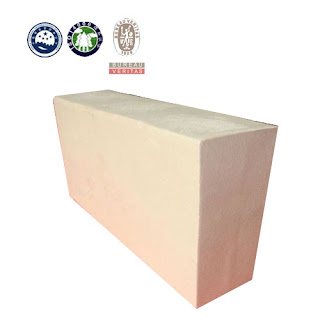
Up to 1750 degrees, good thermal stability. Reheating line rate of change is small, the use of more long-term.
2, optimizing the structure, reducing the weight of the furnace:
Now with a high-temperature materials are all heavy brick bulk density of 2.6-3.0g/cm, and insulation Magnesia Carbon Brick only 1.1 ~ 1.5g/cm, the same volume of one cubic meter, alumina hollow ball brick can reduce the weight of 1.1-1.9 tons .
3, saving materials:
Achieve the same temperature, such as the use of heavy bricks and insulation bricks price its price is quite, but also need considerable insulation China refractory material. If insulation Taphole Brick, saving per cubic meter of 1.1-1.9 tons of heavy usage brick, it can save 80% of the fire-resistant insulation materials.
4, save energy:
Thermal insulation characteristics of a good Ladle Magnesia Carbon Brick, low thermal conductivity, can play a very good insulation effect, reduce heat dissipation, improve thermal efficiency and thus serve the purpose of saving energy. Energy savings up to 30%.
Fire Clay Bricks can be used to make high temperature insulation, ultra-high temperature insulation filler, high temperature refractory lightweight aggregate concrete, high temperature castable. To reduce the weight of the furnace, the transformation of the structure, saving material, energy savings will be achieved remarkable results.
Henan Xinmi Changxing Refractory Material Co., Ltd.'s product portfolio covers shaped products such as refractory materials,refractory brick, refractory castable,refractory nozzle, ceramic fiber, slide gate, etc;
2016年4月14日星期四
color classification about Sillimanite bricks
 |
| Mainly used for coke oven, hot blast stove, acid steelmaking furnace and glass melting furnace. The products can be manufactured according to customers' different requirements. |
Sillimanite bricks has more items color, important has three species color variants: Golden, Maroon and basket color, which Golden and Maroon variants distribution more wide, and basket color variants is is mineral learn of curios, according to discussion, Cast Big Sillimanite Block in the of iron, chrome and titanium is decided its refractory fiber felt color diversity of important reason, while and its generated of schist environment phase relationship.
1, variant of schist, golden yellow is the thickness and symbiotic pegmatite has not altered the characteristics of sillimanite crystals. Golden is due to ferric iron or in individual situations are as a result of trivalent chromium. Golden sillimanite combines firebrick refractory sale with iron and 0.3 1.8% combination of chromium.
2, Maroon sillimanite variant is also in the thickness variation in symbiotic pegmatite schist schist and composition. Maroon sillimanite combination Fe content greater than 1%.
3, blue silicone line stone and iron levels are low, the combination of iron is less than 1%, the combination of titanium to trace, spar with basket, color is very, very likely is the result of valence electrons between softened.
4, with a strong acid treatment concentrate, due to removal of sillimanite surface impurities, such as iron mask and red and Brown specularite, Brown golden color white or gray.
Henan Xinmi Changxing Refractory material Co., Ltd. our product portfolio covers shaped products such as refractory material, refractory brick, refractory castable, nozzle refractory, ceramic fiber,slide gate, etc;
2016年4月12日星期二
Technological characteristics of mullite brick
 |
| High strength, high temperature stability is good, the creep rate is small. |
So produced are usually entered into as malleable to arbitrate its functional strength, plasticity and in accordance with the established ratio of injection molding process and the conclusion of agent, executive producer of all kinds of refractory products. Sintering of the refractory magnesia carbon brick is the calcination of fireclay bricks can be function of the density and intensity, regardless of the conclusion of clay bricks on burning clinker using rigid High-alumina clay bricks and clay tiles, is a key process attributes.
Technological characteristics of mullite brick important apart, plasticity, conclusion and sintering. These properties directly influence its function as a refractory. Fireclay bricks apart is its amount of micro-particle content so soft clay brick is a kind of broken up objects, while other fireclay bricks apart by grinding after crushing degree.
Henan Xinmi Changxing Refractory material Co., Ltd. our product portfolio covers shaped products such as refractory material, firebrick refractory sale, refractory castable, refractory nozzle, ceramic fiber,slide gate, etc;
2016年4月10日星期日
high aluminum bricks and unshaped refractory materials

High aluminum brick construction technology and equipment, coupled with gravity, innovation pumping and injection casting material, more simple, more reliable construction technology has slide gate fire clay provided favorable conditions. In order to realize the full automation of the construction process control computer and construction process, to promote "the research and development of gradient or multilayer castable". "Gradient castables" refers to the uncertainty from the hot side Ladle Permeable Brick to cold is lining castables gradually by the change of structure and thermal properties of matrix components, consisting of several layers. This will more adapt to the lining of actual conditions of use, may go to better use of results.
The unshaped refractory materials in monoblock stopper Chinese accounted for only about 15%, is expected in recent years can be increased to 30%-40%. should be committed to the development of a better high temperature properties of AL2O3 based and MgO based no cement castable. Selective binding system more suitable; the introduction of non oxide; from the angle of economy and technology feasibility study into the nano powder on the quality of unshaped refractory materials.
Henan Xinmi Changxing Refractory material Co., Ltd. our product portfolio covers shaped products such as refractory material, refractory brick, refractory castable, refractory nozzle, ceramic fiber,slide gate, etc;
2016年3月31日星期四
The market analysis of silica brick industry by Henan Xinmi Changxing
 |
| Mainly used for coke oven, hot blast stove, acid steelmaking furnace and glass melting furnace. The products can be manufactured according to customers' different requirements. |
In recent years, the China refractory material industry is facing a serious oversupply situation, showing lower production, corporate restructuring, increased competition, innovation and research and development efforts to enhance services to enhance user awareness and capacity trends. On the one hand, the main user industries such as refractory technology and management advances in steel, cement, glass, nonferrous metals and other industrial refractories consumption leads to decrease, while the use of refractory performance refractories proposed new stringent requirements.
Like other industries, the refractory industry in recent years, the world has experienced significant structural changes mergers and acquisitions, and mergers and acquisitions swept the globe. Some of the weak competitiveness of small businesses on the verge of bankruptcy, the collapse of competitive enterprises are powerful combination, continue to grow, and some existing monopoly situation.
refractory company Henan Xinmi Changxing Refractory Material Co., Ltd.'s product portfolio covers shaped products such as refractory materials,refractory brick, refractory castable,refractory nozzle, ceramic fiber, slide gate, etc;
订阅:
博文 (Atom)